
Japanese vs Simplified Chinese Pokémon cards: which should you buy?
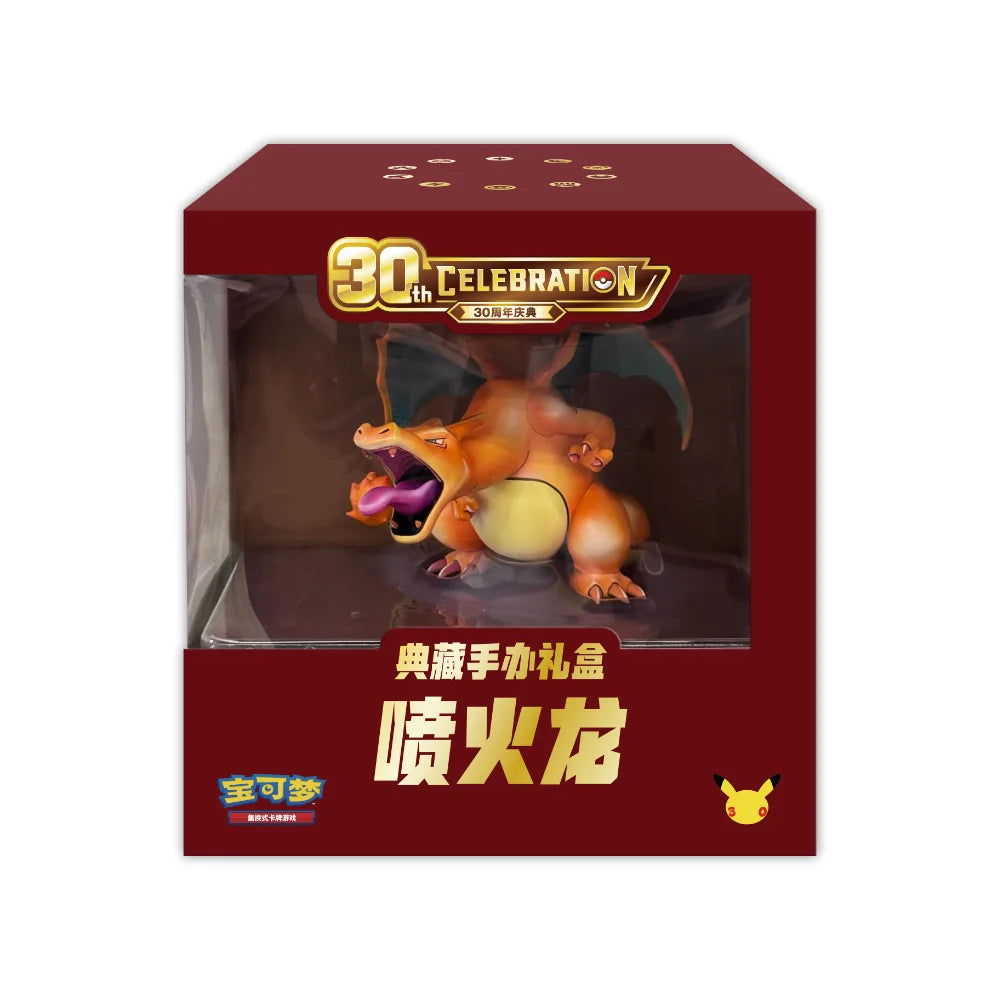
We sell both Japanese and Simplified Chinese Pokémon product, and the question we get most often is which one to buy. They are both official, both authentic, and they suit different collectors.
Japanese: the original print
Japanese sets release first, often months before the English versions. The print quality is the benchmark the hobby compares everything else to: tight centring, sharp texture on Special Art Rares, and consistent colour. Japanese booster boxes are also cheaper per pack than English, and the pull rates for the top rarities are better. If you want the chase cards from a new set before anyone else has them, you buy Japanese.
Simplified Chinese: exclusive sets and exclusive art
The Simplified Chinese market has its own release schedule, and that is the point. Products like Gem Packs, the 30th Anniversary gift boxes and the Charizard figure box do not exist in Japanese or English. Some Chinese sets also include artwork that was never printed in any other language. Collectors who like premium packaging, exclusive illustrations and all-holo packs are moving to Chinese product in a big way.
Grading and resale
Both grade well with PSA. Japanese cards have the deeper resale market in Australia, simply because more people collect them. Chinese exclusives are rarer and their value depends on the specific card, so they reward collectors who do their homework.
How to tell them apart on our site
Every product card shows a language tag: JP for Japanese, CN for Simplified Chinese, EN for English. Product titles say "Japanese" or "Simplified Chinese" as well, and you can filter any collection by language in the sidebar.
Our take
If you are opening packs and chasing the hottest new cards, go Japanese. If you want something different on the shelf, with packaging and art your mates have not seen, go Chinese. A lot of our regulars do both.